|
| |
|
|
|
|
|
|
| Home | Who We Are | Want to volunteer | Photo Gallery | Venturing Crew |
|
|
|
|
|  |
| Schedule of Events | Unit History | Operation Soft Spot | Links | Table of Contents |
|
|
|
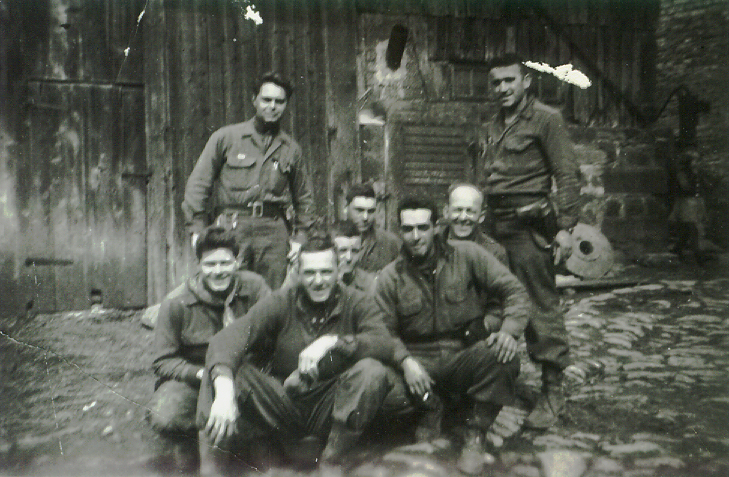
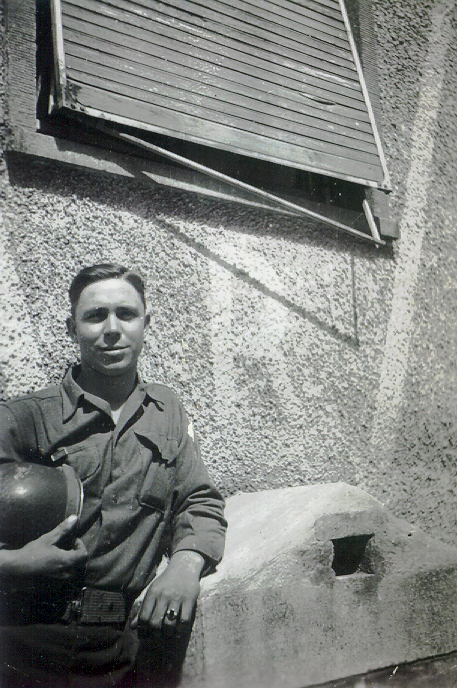
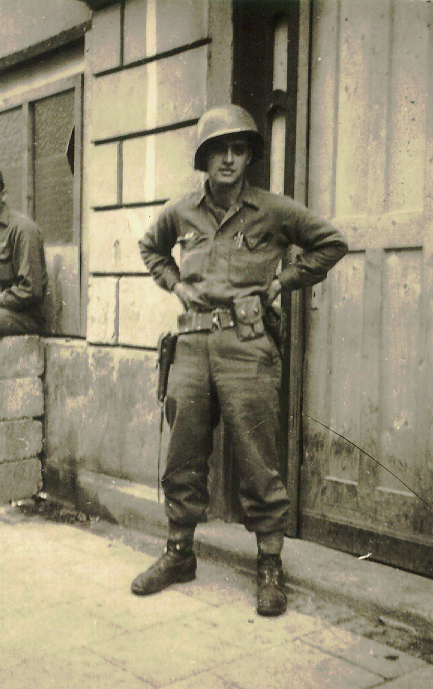
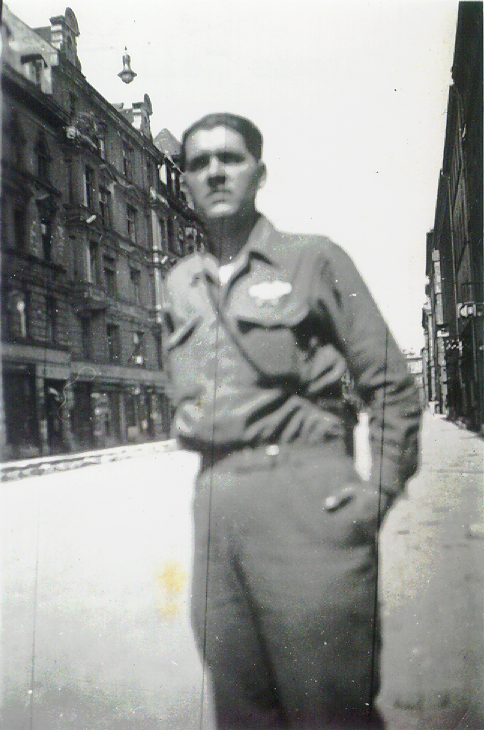
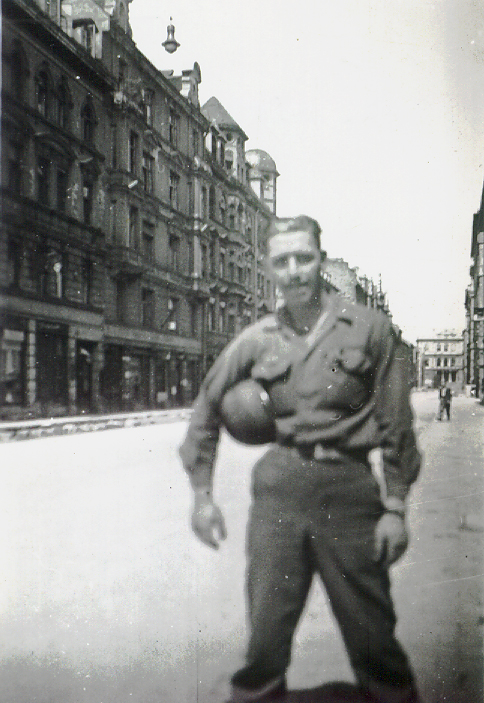
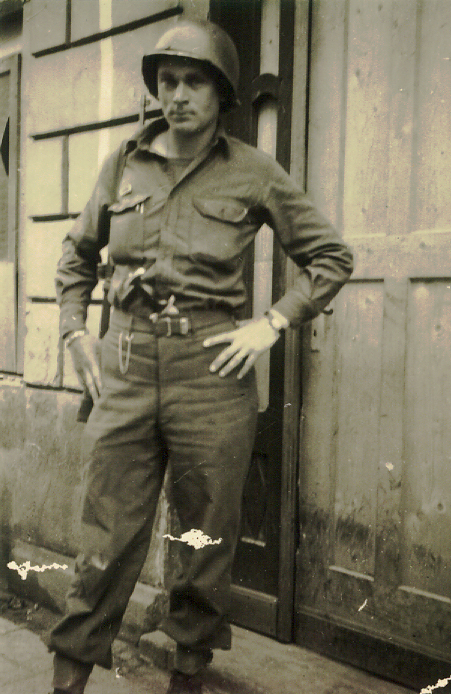
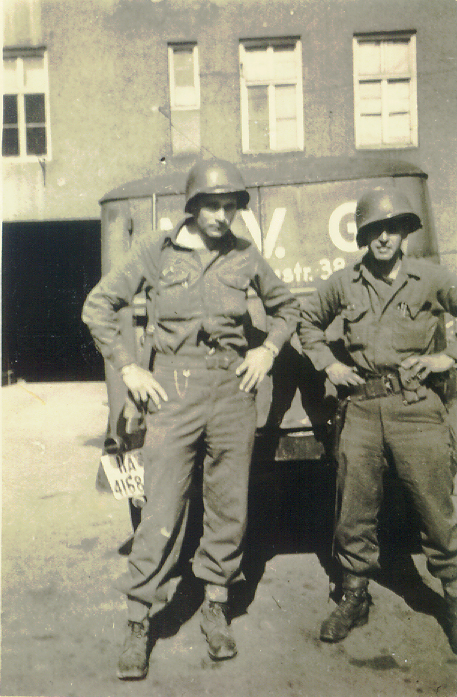
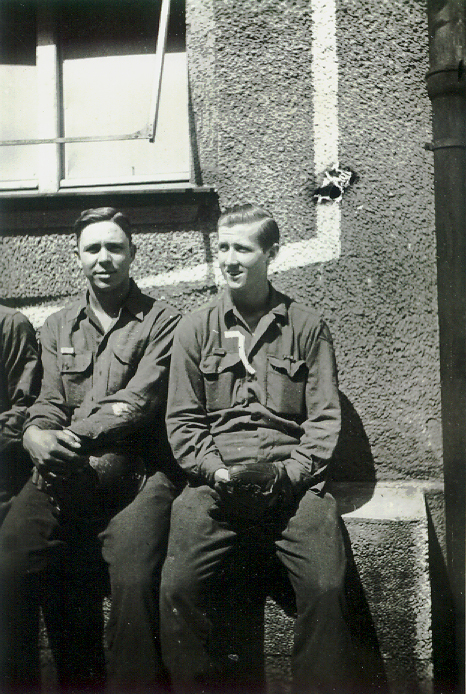
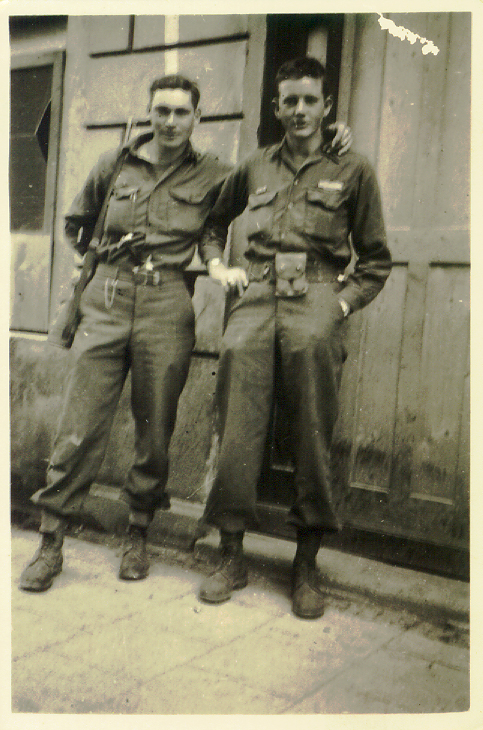
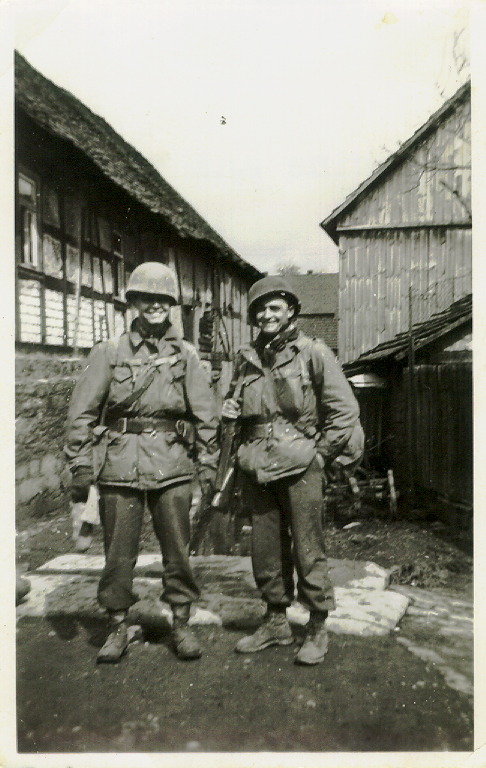
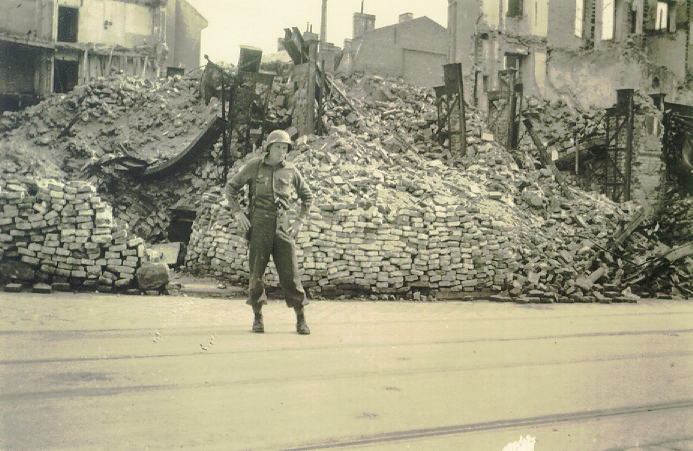
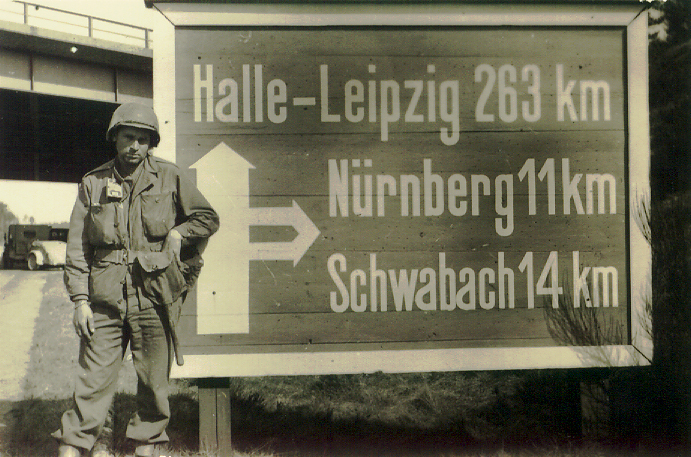
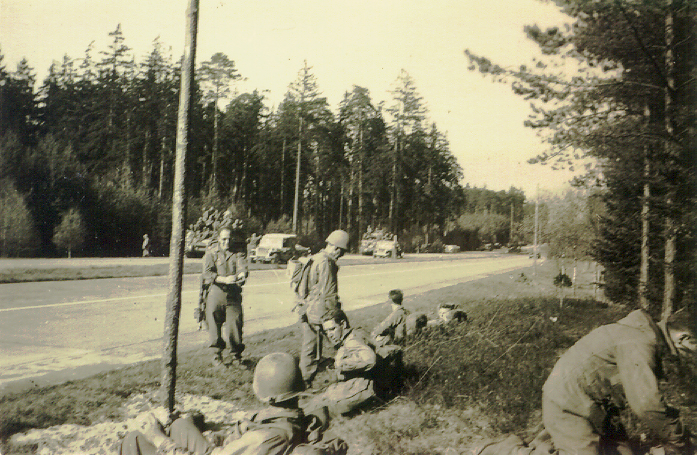
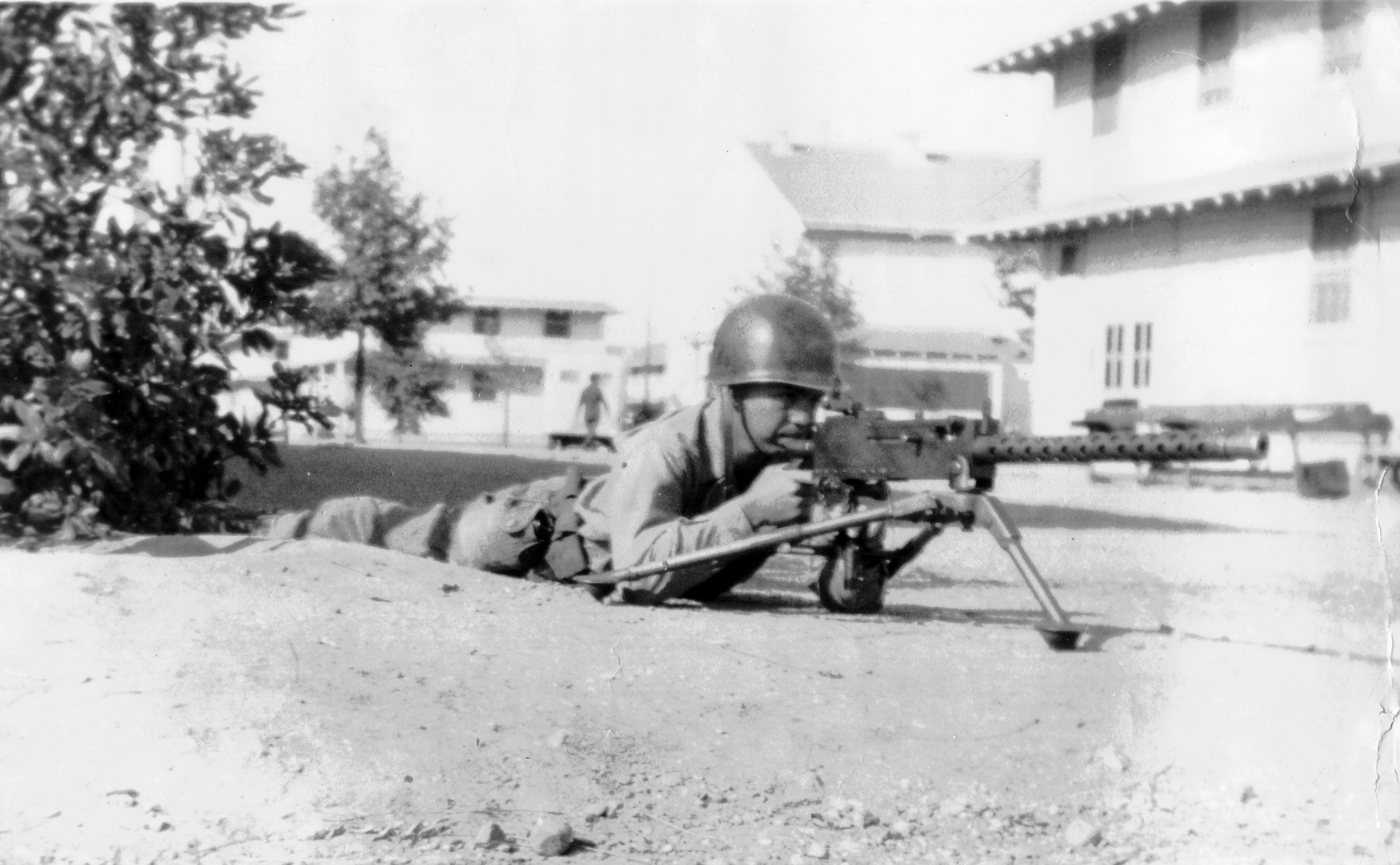
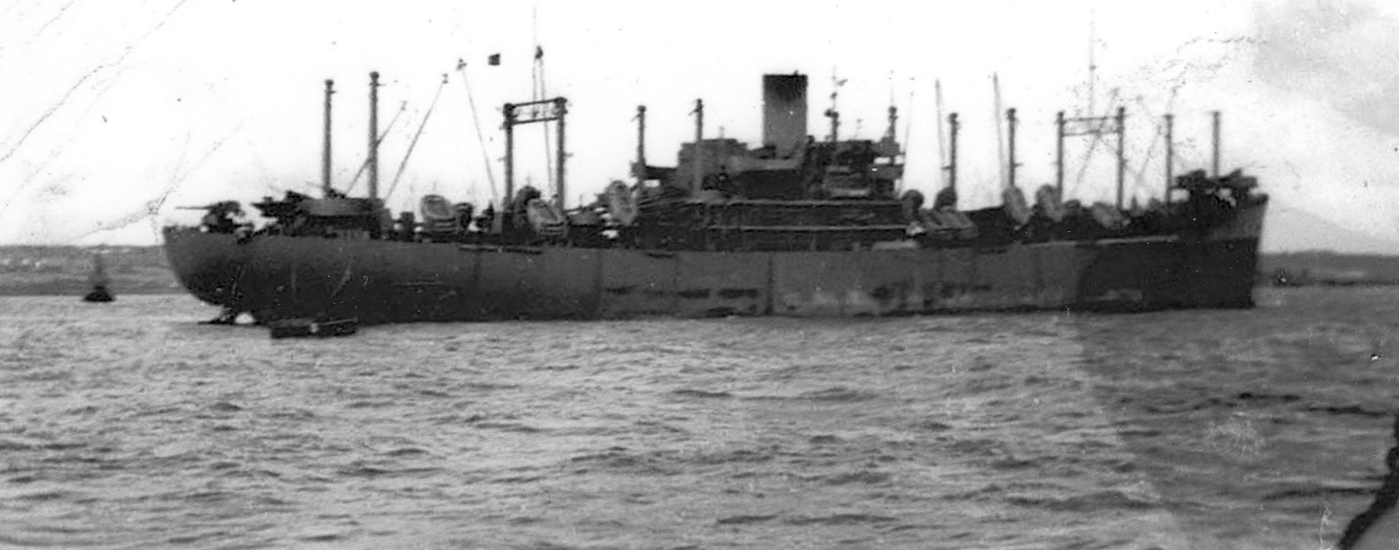
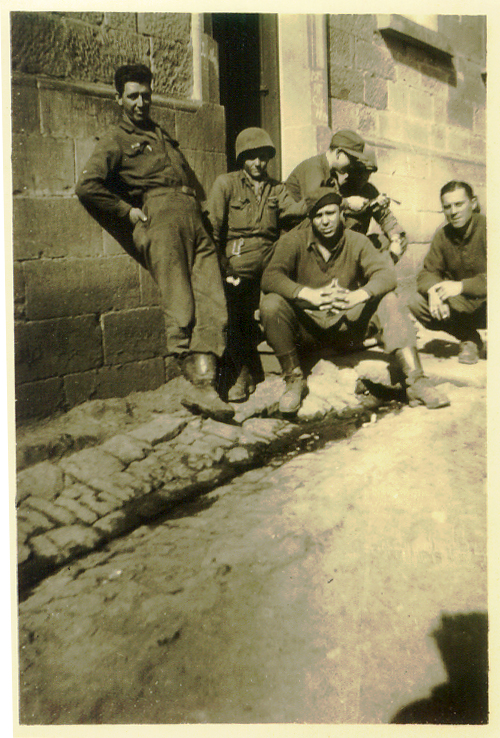
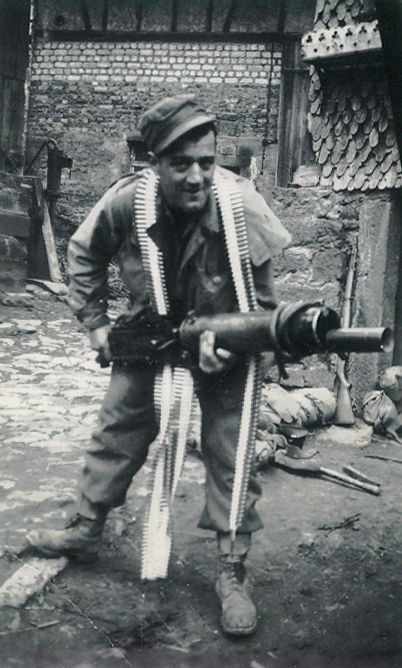
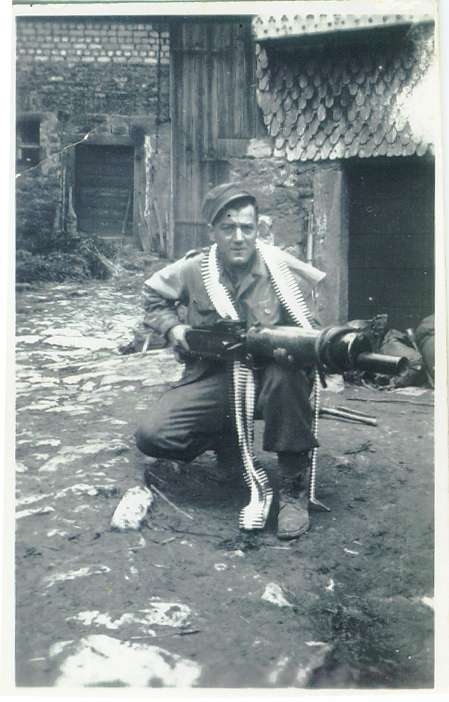
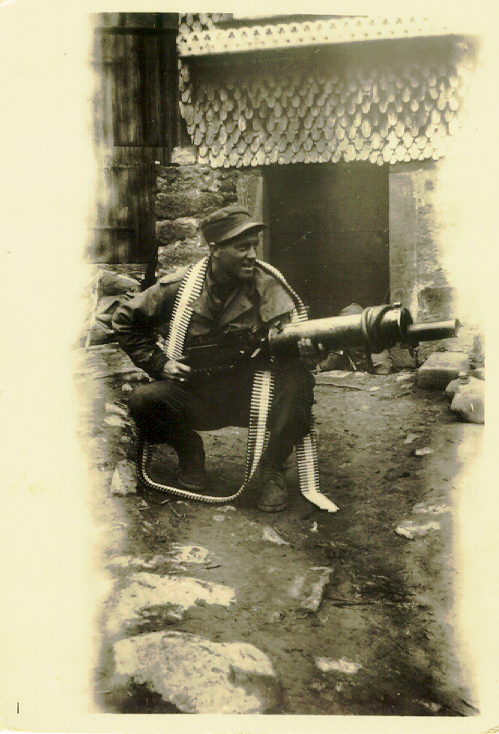
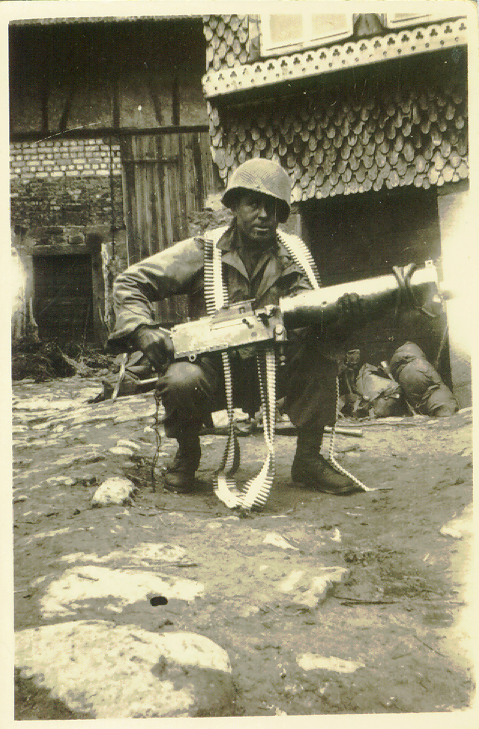
Clifford Hobson was assigned to the 157th after Reipertswiller. He is one of the many new infantrymen who earned their CIB in the March offensive against the Siegfried Line, per General Orders 9, HQ, 157th, dated 5 March 1945.
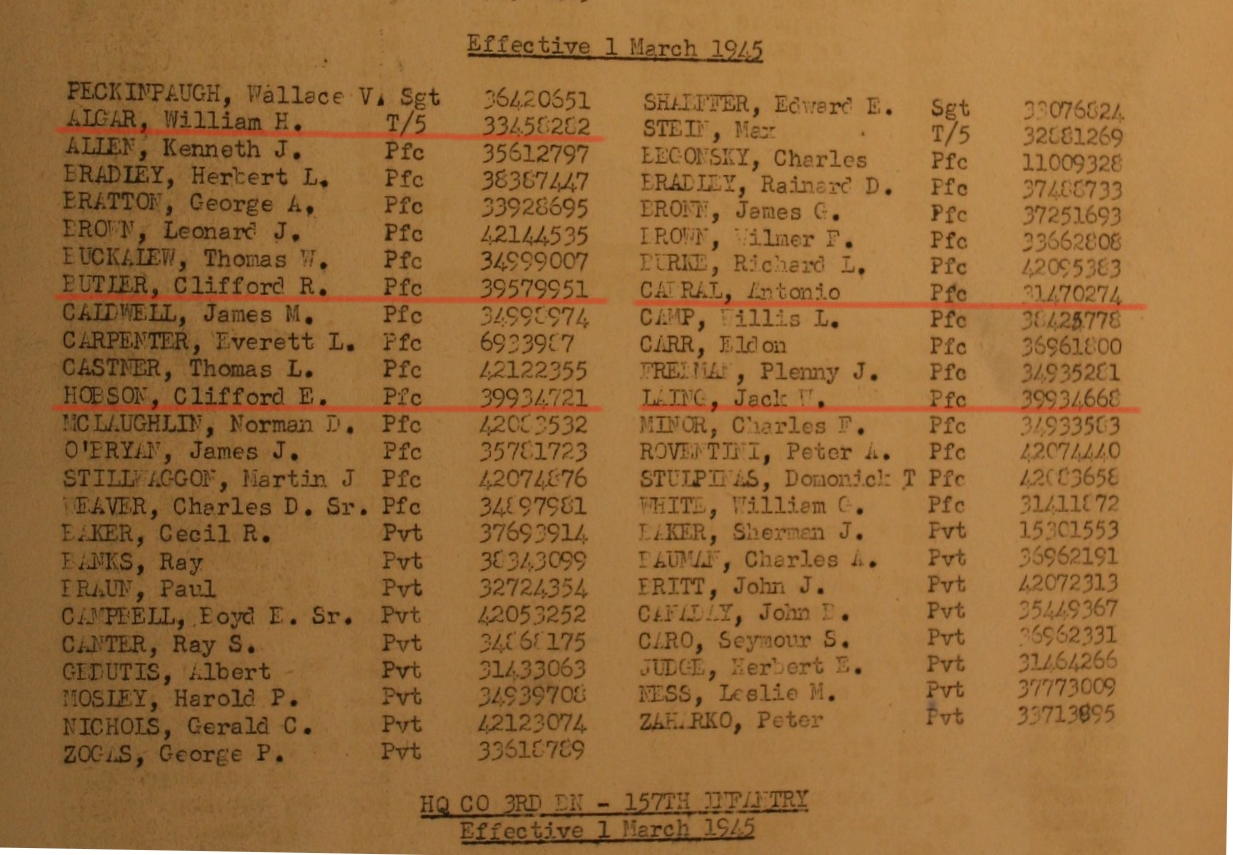
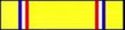
The Combat Infantry Badge (CIB) was established by the War Department on 27 October 1943. Lieutenant General Lesley J. McNair, then the Army Ground Forces commanding general, was instrumental in its creation. He originally recommended that it be called the "fighter badge." The CIB was designed to enhance morale and the prestige of the "Queen of Battle." Then Secretary of War Henry Stinson said, "It is high time we recognize in a personal way the skill and heroism of the American infantry." Originally, the Regimental Commander was the lowest level at which the CIB could be approved and its award was retroactive to 7 December 1941. There was a separate provision for badge holders to receive a $10 per month pay stipend, which was rescinded in 1948.
For award of the CIB a Soldier must meet the following three requirements: (1) Be an infantryman satisfactorily performing infantry duties. (2) Assigned to an infantry unit during such time as the unit is engaged in active ground combat. (3) Actively participate in such ground combat. Campaign or battle credit alone is not sufficient for award of the CIB. The specific eligibility criteria for the CIB require that an officer (SSI 11 or 18) in the grade of colonel or below, or an Army enlisted Soldier or warrant officer with an infantry, who subsequent to 6 December 1941 has satisfactorily performed duty while assigned or attached as a member of an infantry, ranger or special forces unit of brigade, regimental, or smaller size during any period such unit was engaged in active ground combat. The definition of requirement to be "engaged in active ground combat" has generated much dialog over the years as to the original intent of the CIB. The 1943 War Department Circular required infantrymen to demonstrate "satisfactory performance of duty in action against the enemy." The operative words "in action" connoted actual combat. A War Department determination in October 1944 specified that "action against the enemy" for purposes of award of the CIB was to be interpreted as "ground combat against enemy ground forces." Source: United States Army Human Resources Command

.jpg)